
Discounts and reduced prices
How can you spot a good deal? Are there “real” and “fake” discounts? Europe imposes a certain level of transparency on prices, but misleading reduced prices and hidden fees can still occur. Some European sellers, for example, inflate their prices before discount periods, or pressure consumers into buying with countdown timers. Three Q&As to help you understand discounts and other promotions.
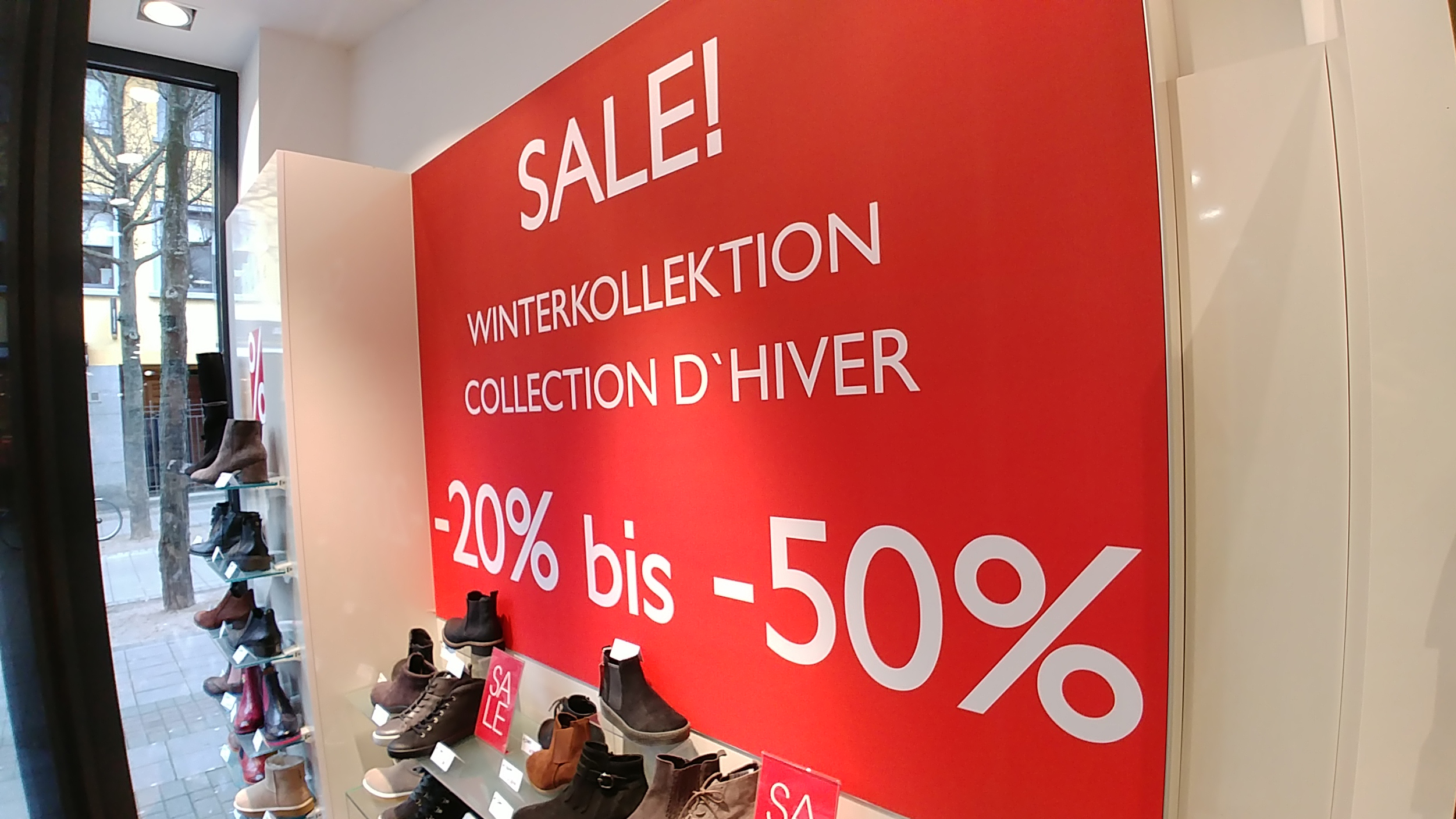
What does the crossed-out reference price on a sale item correspond to?
According to European regulations, this price corresponds to the lowest price applied in the 30 days preceding the discount on this website.
The rule differs slightly in the case of successive discounts. The reference price is then the price charged before the first discount, even if several discounts have been applied in succession.
“Comparison prices” and “recommended prices” are not always reliable
Outside of sales periods, sellers may sometimes display a “comparison price”. However, they must clearly indicate so, alongside the compared price, with a statement such as “manufacturer’s recommended retail price”. If sellers compare their prices with those of a competitor, they must name the competitor. They must also ensure that the price is current and accurate.
Otherwise, this type of practice is considered a misleading commercial practice.
Our advice
- Check what the crossed-out price corresponds to and ask yourself whether the final price seems reasonable for this product. Before the Black Friday period for instance, some sellers artificially inflate the initial price. This creates the illusion of a significant discount, which is misleading.
- Compare the final price with what is charged by other retailers, and with the price displayed on the brand’s official website. You can also use a price comparison tool.
- Certain browser extensions and websites allow you to view the price history of a product and identify any false discounts.
- Even if the offer is appealing, think about how you will actually use the product before purchasing it.
Is it legal to offer a discount in exchange for a paid subscription?
Some products or services (e.g. airline tickets) advertise a reduced price. However, they make this reduction conditional on taking out a paid subscription after a free trial period. Other websites promise to refund a percentage of the order price after purchase (so-called “cashback”). By accepting a discount or an offer too quickly, you agree to the terms and conditions. And you might commit to a monthly direct debit.
If the information about the paid nature of the subscription giving rise to the discount is not clearly indicated, this is a misleading practice. Without clear information, you can dispute the subscription.
Our advice:
- Always read the terms and conditions carefully before “confirming your discount” or “activating your cashback”.
- Check your bank statements: a recurring debit of a few euros may hide a subscription.
- If you have never agreed to such a subscription, contest its validity and request a refund of the amounts debited.
Are countdown timers for reduced prices accurate?
Sometimes yes, sometimes no: if you notice that a countdown timer restarts every time you refresh the page, there is a good chance that it is fake.
Many websites resort to these manipulative techniques, and even more so during sales periods. Their purpose is to encourage you to click and buy under urgency.
Examples: “Only 3 items left at this price”, “Offer valid for another 2 hours”, pop-up windows, buttons encouraging clicks, etc.
These dark patterns are currently not per se prohibited. However, the EU will try to regulate those in a new Digital Fairness Act, which is due end of 2026, and should limit and regulate those phenomena.
If you are living in France and have any doubts about a countdown timer on a French website, you can report it to the French Directorate General for Competition, Consumer protection and Fraud control (DGCCRF). Reports can be made via the SignalConso platform.
You might also be interested in
Funded by the European Union. Views and opinions expressed are however those of the author(s) only and do not necessarily reflect those of the European Union or the European Innovation Council and Small and Medium-sized Enterprises Executive Agency (EISMEA). Neither the European Union nor the granting authority can be held responsible for them.
Was this article helpful?